Walk through the hills around Pachady between October and February and you will see families moving slowly along the cardamom beds, bending low to pick. It is harvest season in the Idukki high ranges. Cardamom is the spice these hills are named after, and it grows all around our family homestay in Pachady, near Nedumkandam. This guide explains how cardamom grows, when it is picked and how it is dried, and what else is ripening in our garden while you are here.
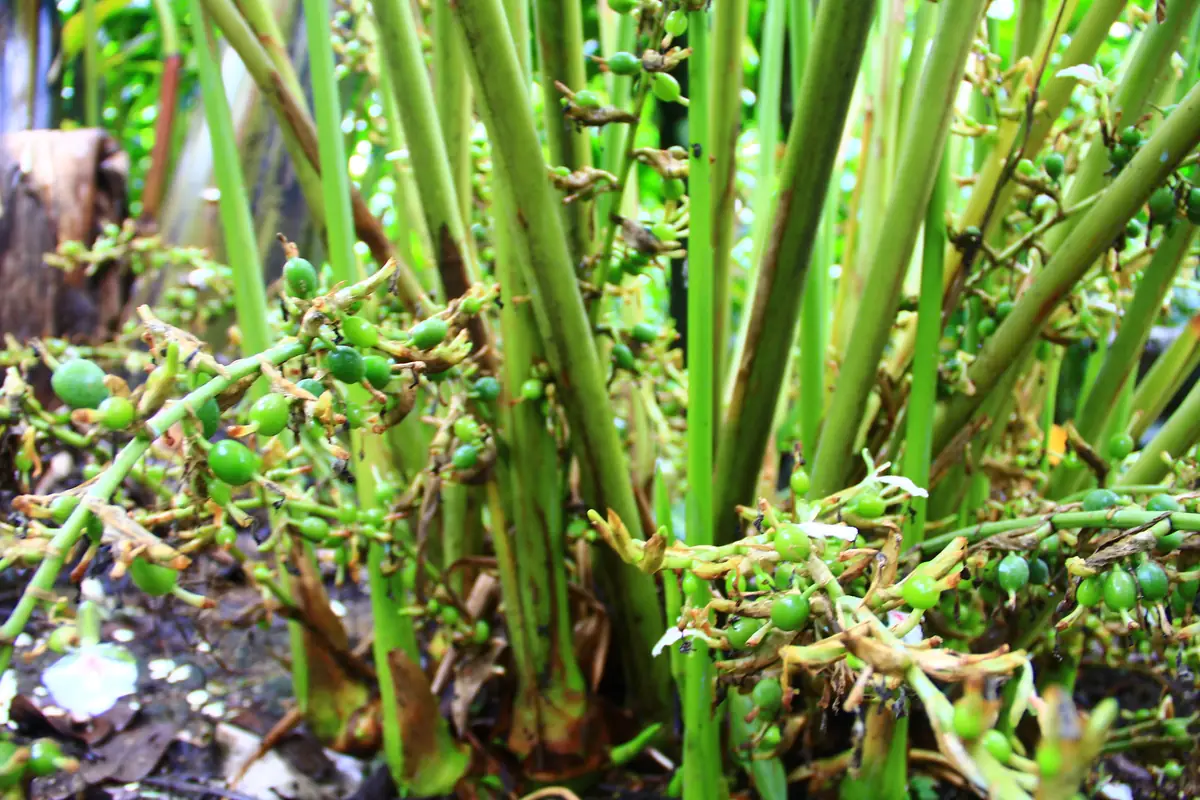
Why Idukki is cardamom country
Most of India's small (green) cardamom comes from this one district. The Spices Board puts Idukki's share at 85 to 90 percent of the country's production (Spices Board, Kattappana; Spices Board, Myladumpara). The Spices Board also runs its Indian Cardamom Research Institute at Myladumpara, in Idukki district.
The hills themselves are called the Cardamom Hills, after the spice grown on their cool upper slopes alongside pepper and coffee. The Cardamom Hill Reserve was set up under the Kingdom of Travancore in 1822 to promote cardamom growing and protect the farmers, and most of its land is still leased for cardamom today (Wikipedia).
How the cardamom plant grows
Cardamom is a leafy plant from the ginger family, and it likes the same things the high ranges offer: shade, rain and cool air. It grows in the understorey, below taller trees that filter the sun. In our 1.5-acre spice garden, cardamom shares that cool, filtered light with coffee, cocoa, nutmeg, clove and cinnamon, under mahogany, jackfruit and bamboo, while black pepper vines climb the trees above.
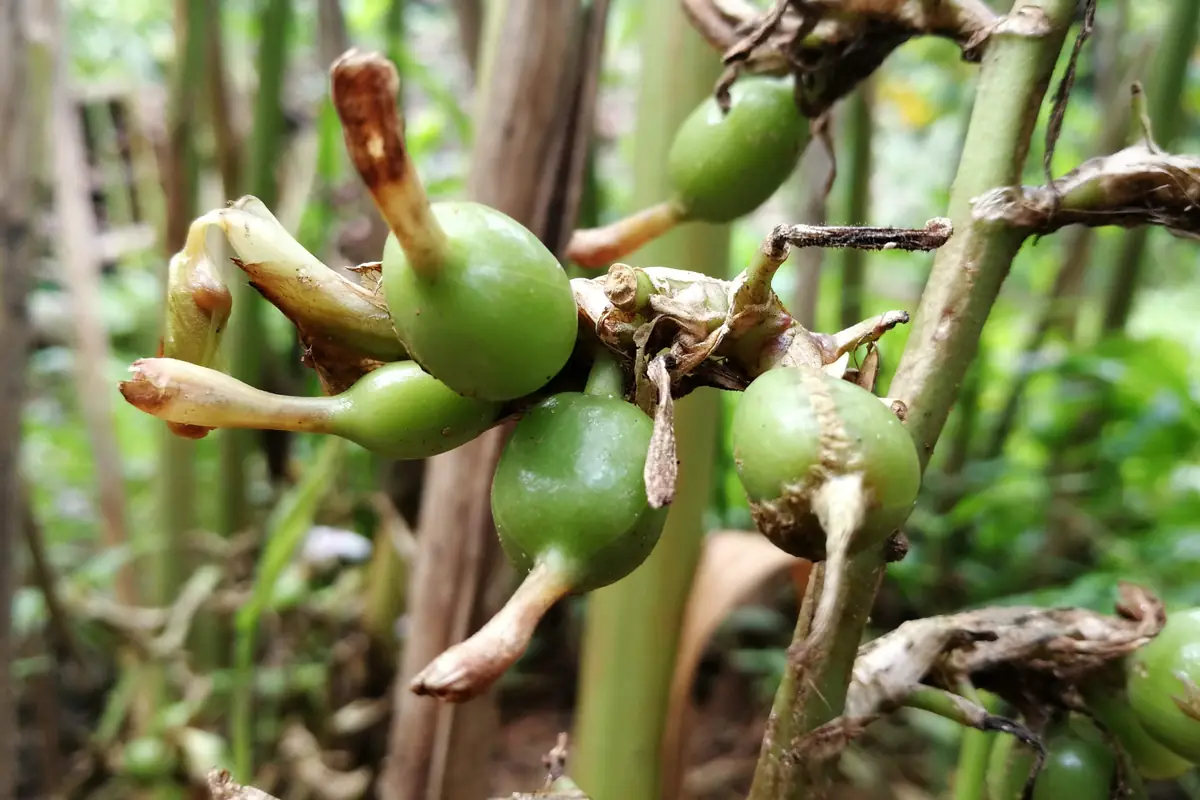
The surprise for most visitors is where the pods are. They do not hang from the tall leafy stems. They grow on thin shoots that creep out along the ground from the base of the plant, so you have to crouch down and look under the leaves to find them. A new plant usually starts bearing two to three years after planting (NIFTEM).
When cardamom is picked
Across India, the cardamom harvest starts around August or September and runs into February or March of the next year (NIFTEM). The pods on a plant do not all ripen at once, so they are picked by hand in rounds. In our garden, picking usually begins towards the end of the monsoon, and from October to February the cardamom is picked in rounds every few weeks.
Pickers look for pods that are full and mature. Inside a ripe pod the seeds have turned dark brown to black (NIFTEM), and that is where the flavour is.
How cardamom is dried and kept green
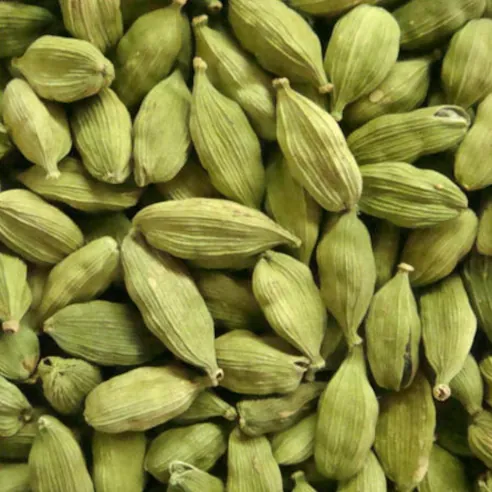
Fresh pods are soft and full of moisture, so they are dried soon after picking. The bright green cardamom you buy comes from a slow, gentle dry. A temperature of 40 to 50 °C keeps the green colour, and anything hotter than 50 °C spoils the colour and the delicate flavour. The most common method is a slow dry over 18 to 30 hours (NIFTEM). After drying, the pods are cleaned, sorted and stored.
What else is ripening in the garden
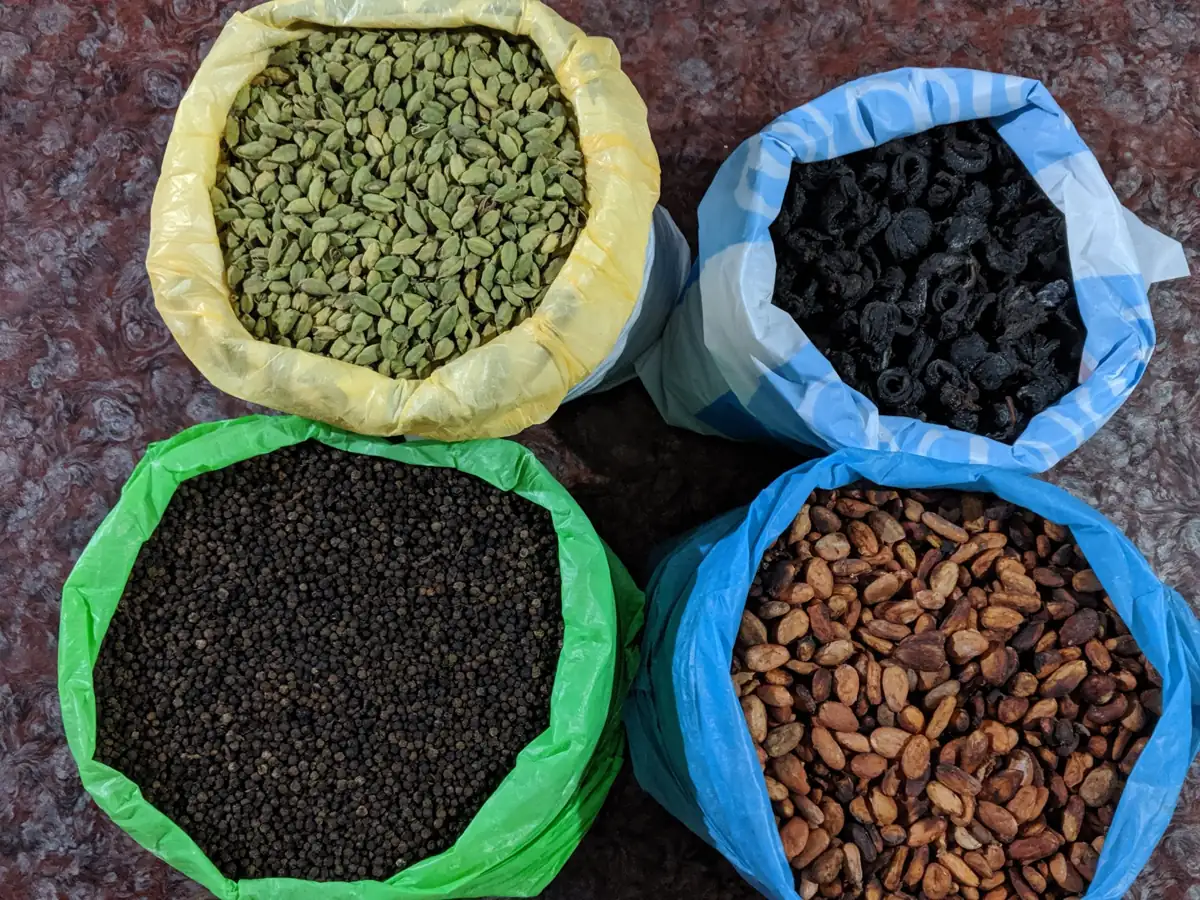
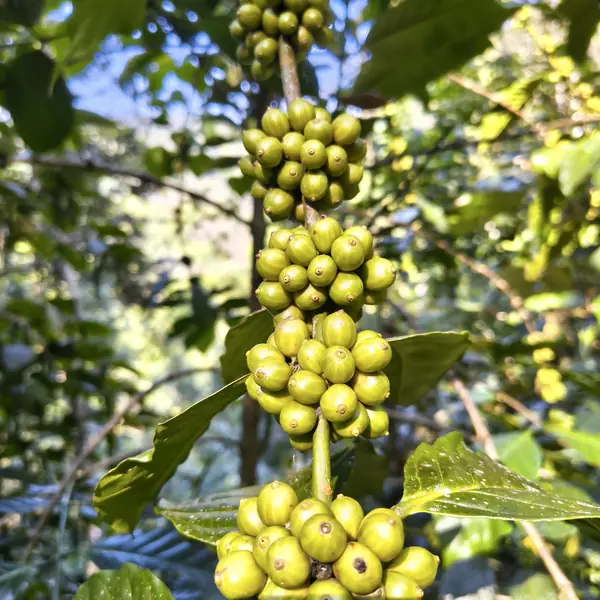
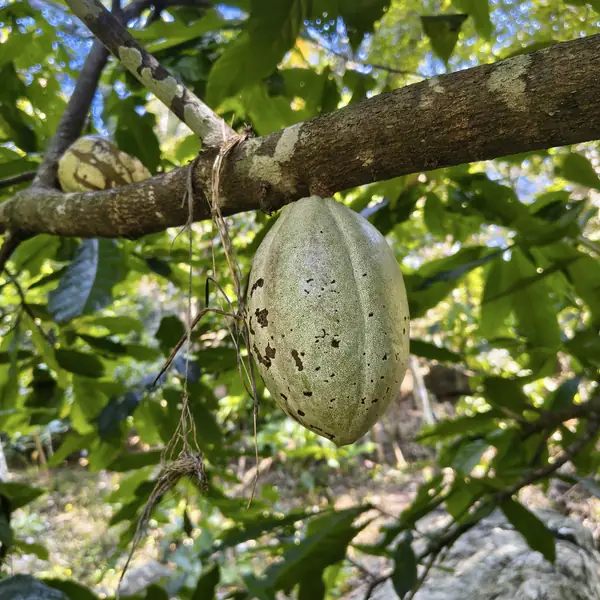
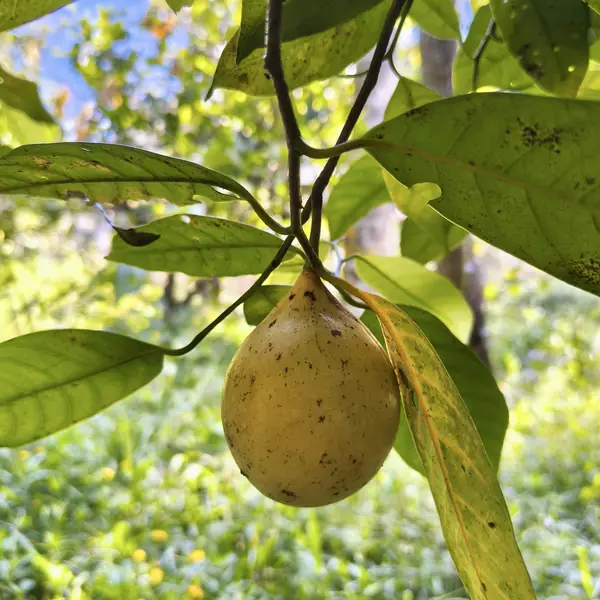
Cardamom is not the only harvest at this time of year. Black pepper is picked from around December, the coffee berries ripen from December to February, and on our last walk at the end of October, cocoa pods and nutmeg were hanging from the trees too. Walk the garden with us and you can taste the sweet pulp of a ripe cocoa pod, or split a nutmeg to see the red mace wrapped around the seed.
Join our morning garden walk
Every guest can join a hands-on walk through the garden. It is best early in the morning, before the day warms up, when the garden smells strongest. We will help you find cardamom pods hiding at the base of the plants, show you the pepper vines and coffee bushes, and explain how the spices are dried, sorted and stored. Most of what grows here ends up in your meals, cooked in our home kitchen with spices from the garden.
A couple of simple rules: ask before you pick, because some plants are close to harvest and others are young, and wear shoes with a good grip, as the paths can be damp in the morning. If you would like a longer walk, a red earth trail leads down from the village to the Kallar River, 1 to 3 km on foot. Our guide to Thooval Waterfall and the Kallar River has the routes.
When to come for the harvest
October to February is the time to see the garden at work, with cardamom being picked in rounds and pepper and coffee joining in from December. It is also the coolest, clearest time of year in the high ranges. Our post on Idukki in December covers the weather and what to pack, and the things to do near Nedumkandam page has ideas for the rest of your stay. Pachady is 7 km from Nedumkandam; see how to reach us.
Plan your harvest-season stay
Tell us your dates and we will tell you what is being picked that week. Call or WhatsApp +91 9447 900 707, or send us a message on WhatsApp.
Sources
- Buyer Seller Meet, Kattappana (brochure), Spices Board India
- Buyer Seller Meet, Indian Cardamom Research Institute, Myladumpara (brochure), Spices Board India
- Cardamom processing (PMFME write-up), NIFTEM
- Cardamom Hills, Wikipedia
- Photos: the Village Vibes family.